About
Context
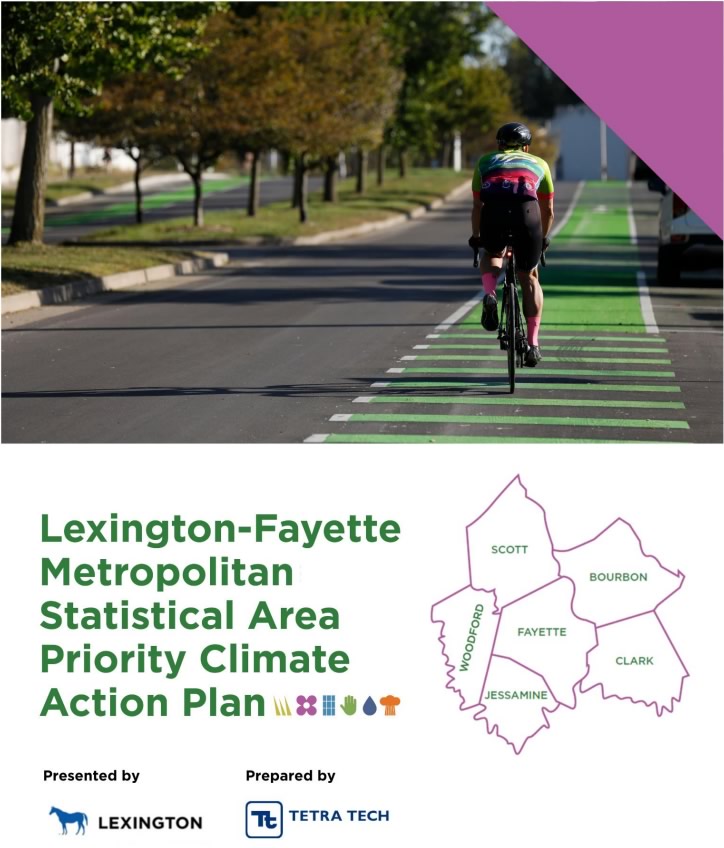
Priority Climate Action Plan
The Lexington-Fayette MSA PCAP identified five high-impact, implementation-ready measures, including:
- Increasing Urban Tree Canopy;
- Residential Solar;
- Weatherization;
- Lextran Electric Vehicle Shelter & Charging Infrastructure; and a
- Regional Electric Vehicle Charging Need Study.
These initiatives target the MSA’s two largest sources of GHG emissions—Stationary Energy and Transportation—while also enhancing carbon sequestration through urban forestry. They have been carried forward and incorporated into the framework of the CCAP.
Comprehensive Climate Action Plan
In recent years, we have faced significant challenges, including flooding, ice and snowstorms, and extreme temperatures. These events threaten not only our cherished natural ecosystems but also the quality of life for all who call Central Kentucky home. In addition, differences in income and limited access to basic resources make it harder for many families to cope with these changing conditions. Proactive measures are essential to safeguard public health, protect economic stability, and ensure the resilience of our infrastructure. This plan aims to address these challenges by outlining strategic initiatives that enhance community preparedness and foster a collective commitment to sustainability in our region.
The Spanish Draft Plan was translated using Google Translate. The final report will be reviewed and edited for accuracy.
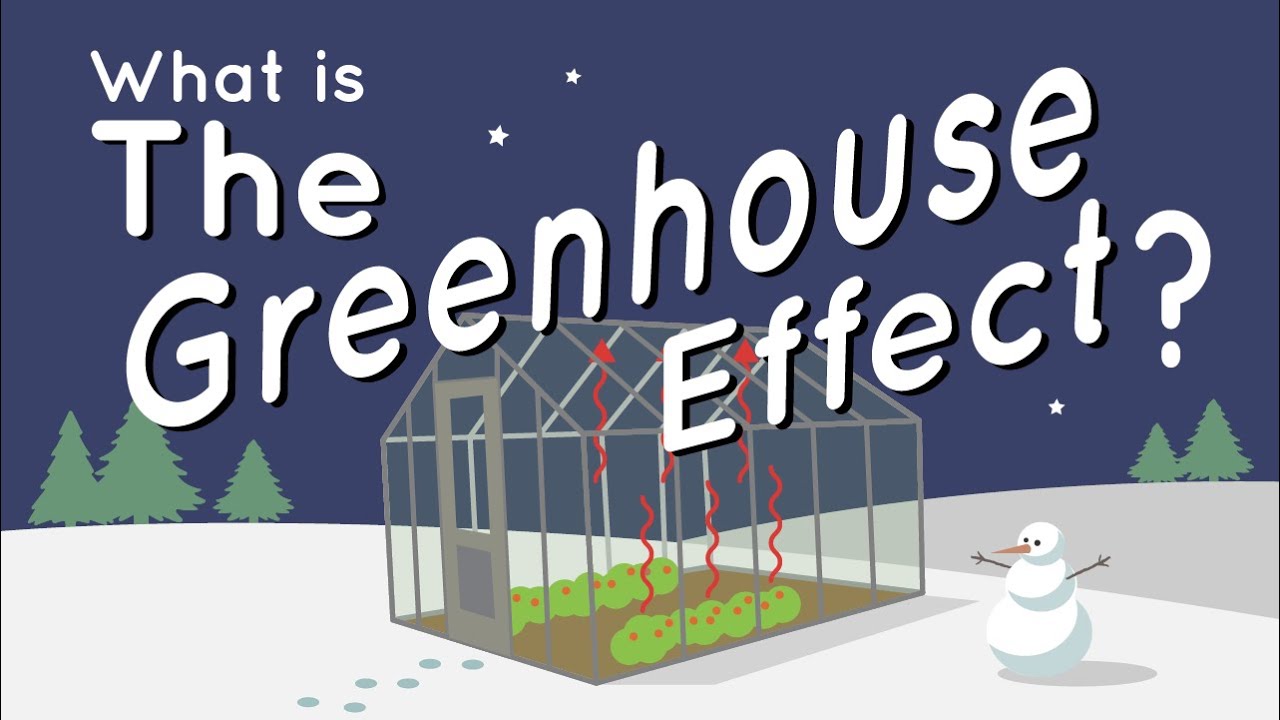
What is the Greenhouse Effect?
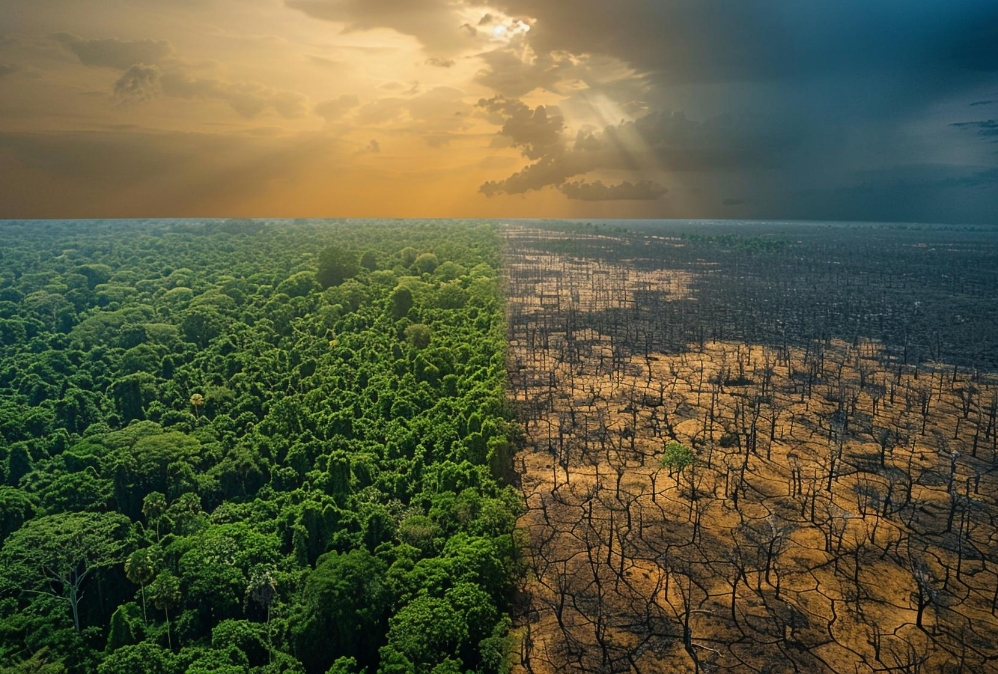
Science tells us that an increase in greenhouse gases in the atmosphere traps more heat, disrupting weather patterns and leading to more extreme events like heatwaves, heavy rainfall, and stronger storms.
What is “Climate Vulnerability”?
The evolving climate is exacerbating both infectious and chronic illnesses, heightening societal and economic pressures, and amplifying the intensity of extreme weather occurrences. While certain communities in the United States possess access to resources that aid in their preparation for, endurance of, and recovery from these impacts, many others do not. These communities are disproportionately vulnerable to climate-related effects due to a legacy of racially biased housing and infrastructure development, unequal application of environmental regulations, discriminatory practices in the labor market, and other systemic injustices.
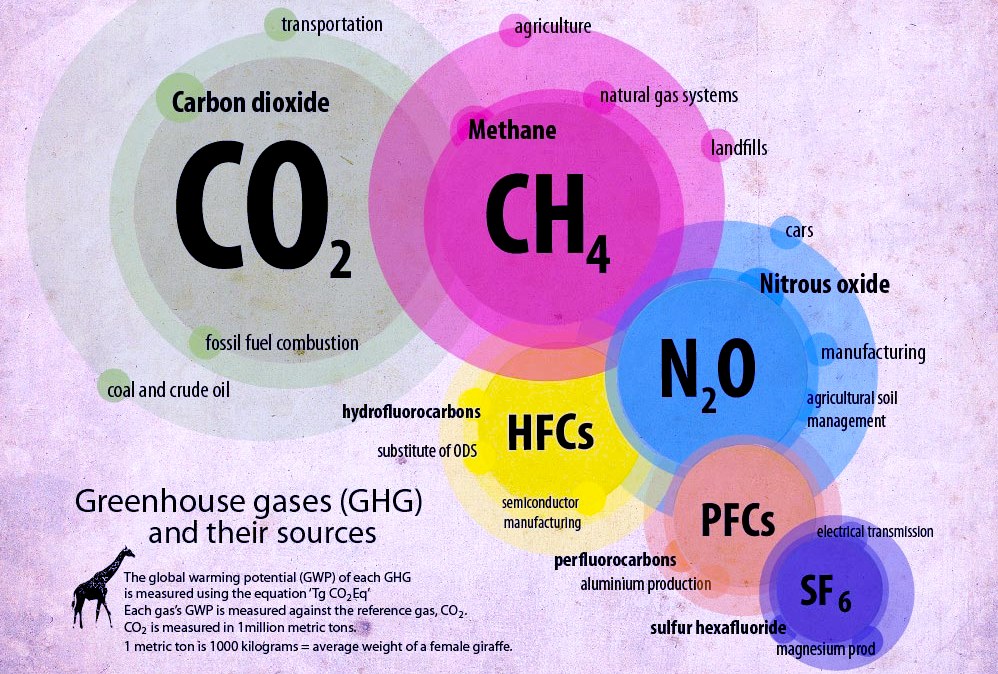
What are Greenhouse Gases?
Greenhouse gases work like the glass in a greenhouse. Gases in Earth’s atmosphere let sunlight in and trap some of the heat. These gases are natural and important to keep the Earth livable, but too many gases will trap too much heat. Trapping too much heat makes the Earth too warm and has harmful effects. The “greenhouse effect” is one of the main reasons our climate is changing.
Human activities like fossil fuel combustion for our homes and vehicles, waste handling practices, and industrial & agricultural processes produce greenhouse gases.